


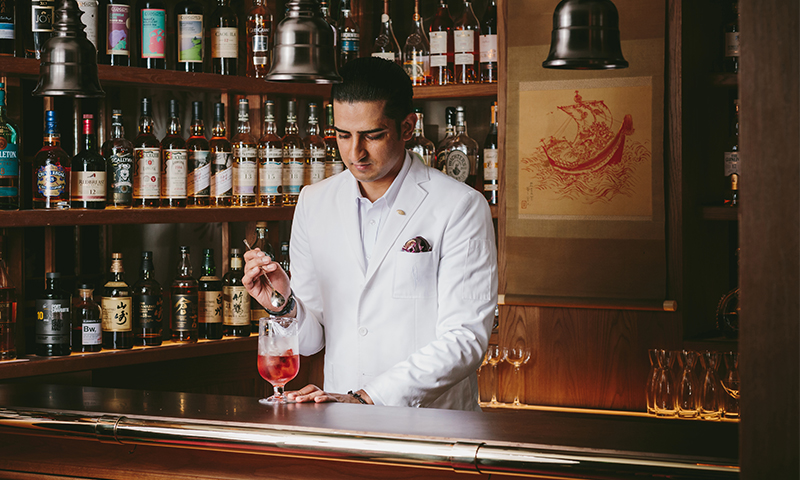
As one of the masterminds behind The Aubrey’s latest “Kaizen Cocktail Menu,” Devender Kumar has been making waves in Hong Kong’s cocktail scene. With The Aubrey recently landing the No. 10 spot on Asia’s 50 Best Bars, we sat down with the Assistant General Manager and Beverage Manager of Mandarin Oriental, Hong Kong, to chat about all things cocktails, shochu, and, of course, his take on Hong Kong’s vibrant nightlife. Get ready for a fun deep dive into the life and craft of one of the city’s top bartenders, right here on HKClubbing!
Hkclubbing: Huge congrats on The Aubrey hitting No. 10 on Asia’s 50 Best Bars! What does this achievement mean to you personally, especially with the launch of the Kaizen Cocktail Menu?
Devender: First and foremost, I’m incredibly thankful that we’ve been able to highlight Japanese Shochu and Awamori through our program. That’s always been my priority—to introduce these exciting spirits to a wider audience. The recognition from Asia’s 50 Best Bars is deeply meaningful, not just for me, but for the entire team. It’s a form of encouragement, a validation that what we’re doing resonates with others.
Of course, accolades like these bring more visibility, which is great, but what truly excites me is the energy it brings to the team. The award has uplifted our spirits and keeps us motivated to push boundaries every day. The team carries a lot of responsibility in delivering an exceptional experience, and I’m so grateful for their dedication over the past three years.
As for the Kaizen menu, it’s a reflection of our passion for Japanese culture and ingredients. The concept of Kaizen—which means continuous improvement—isn’t just a word; it’s a way of life in Japan. We’ve applied that philosophy to everything we do, from our drink program to how we operate day-to-day. The idea is that even the smallest improvements, say 0.1% every day, add up and make a difference over time.
Launching the Kaizen menu means a lot to us because it embodies this approach. It’s not just about the drinks; it’s about a mindset of always striving to be better. And we’re not stopping here—the Kaizen philosophy will continue to shape future iterations of our menu. We’re already thinking ahead to Kaizen Volume 2 and Volume 3, but the essence will remain the same: continuous improvement in everything we do.
Hkclubbing: The Kaizen philosophy is all about gradual improvement. How did this concept inspire the new cocktail menu, and can you share any specific changes or innovations that reflect this approach?
Devender: The Kaizen philosophy, deeply rooted in Japanese culture, emphasises continuous improvement, and we've tried to weave that idea into our latest cocktail menu. At The Aubrey, we believe there's always an opportunity to enhance what we do, especially in our drinks. We’ve taken classic cocktails, like the Old Fashioned and Negroni, and reimagined them with a Japanese twist using ingredients such as shochu and awamori.
We also gave attention to cocktails that are either inspired by or popularised in Asia, like the Bamboo, the Red Eye, and the Jungle Bird. Additionally, we revisited some of our original creations—one in particular that I crafted a few years back—and developed a refreshed, updated version. This embodies Kaizen, striving for improvement while honouring the essence of what The Aubrey stands for.
Hkclubbing: Shochu is such a unique choice for cocktails! What’s your personal relationship with this spirit, and how do you think it enhances the overall drinking experience?
Devender: My journey with shochu began during a trip to Kyushu in 2019, where most shochu originates. Initially, I didn’t pay much attention to it since the focus of my previous bar program at 8 1/2 Otto e Mezzo Bombana was quite different. However, when I joined The Aubrey, we wanted to highlight a spirit that wasn’t already front and centre on most cocktail menus. Shochu, despite its long history, hadn’t really been featured in a dedicated cocktail program, and that’s what sparked my interest.
Shochu is still relatively under the radar internationally, but with efforts from the Japanese Shochu and Sake Association (JSS), it’s starting to gain more attention. In Hong Kong, there’s already a growing appreciation for low-ABV drinks, such as Japan’s Chuhai. While Chuhai might not be the most refined cocktail, the idea of low-ABV drinks resonates here. We wanted to build on that concept with our cocktail program, using shochu to bring out its rich flavours and craftsmanship. I believe it’s a spirit that will continue to gain traction in upscale bars.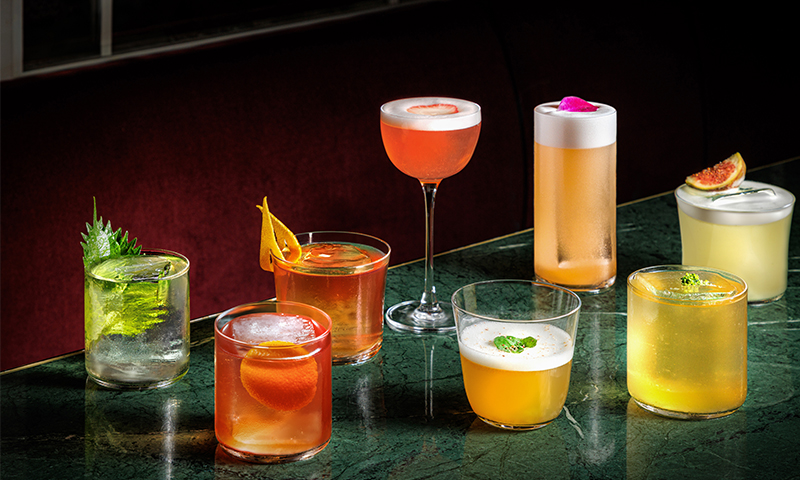
Hkclubbing: The team crafted eight signature cocktails for the new menu. What was the most exciting part of that creative process, and were there any standout moments or surprises along the way?
Devender: The creative process of crafting a menu with the team is always exciting. It’s a time when you learn so much—not just about cocktails but about the people you work with. You discover things you didn’t know or thought you knew but didn’t fully understand.
Interestingly, the Kaizen theme wasn’t part of the original plan. We had a completely different concept in mind at first, but one day the idea of Kaizen came to me, almost out of nowhere. I shared it with the team, and they were really excited about it. That’s important to me—if the team isn’t on board with the concept, it’s hard to push it through. They’re the ones who represent the menu day in and day out, so their enthusiasm and understanding of the theme are crucial.
Throughout the creative process, we learned a lot—especially about things we thought we knew. For instance, we discovered the rich history of certain cocktails that became popular in Japan, even though they were originally created elsewhere. We also experimented with ingredients we hadn’t worked with before, like tomato water and a particular Japanese liqueur we had in stock for a long time but never used.
There were so many exciting moments—whether it was working with a specific style of Shochu aged in Mizunara casks or using Hakoshu, a unique type of orange from Japan. Bringing these ingredients into our cocktails and telling their stories to our guests was one of the most rewarding parts of the process.
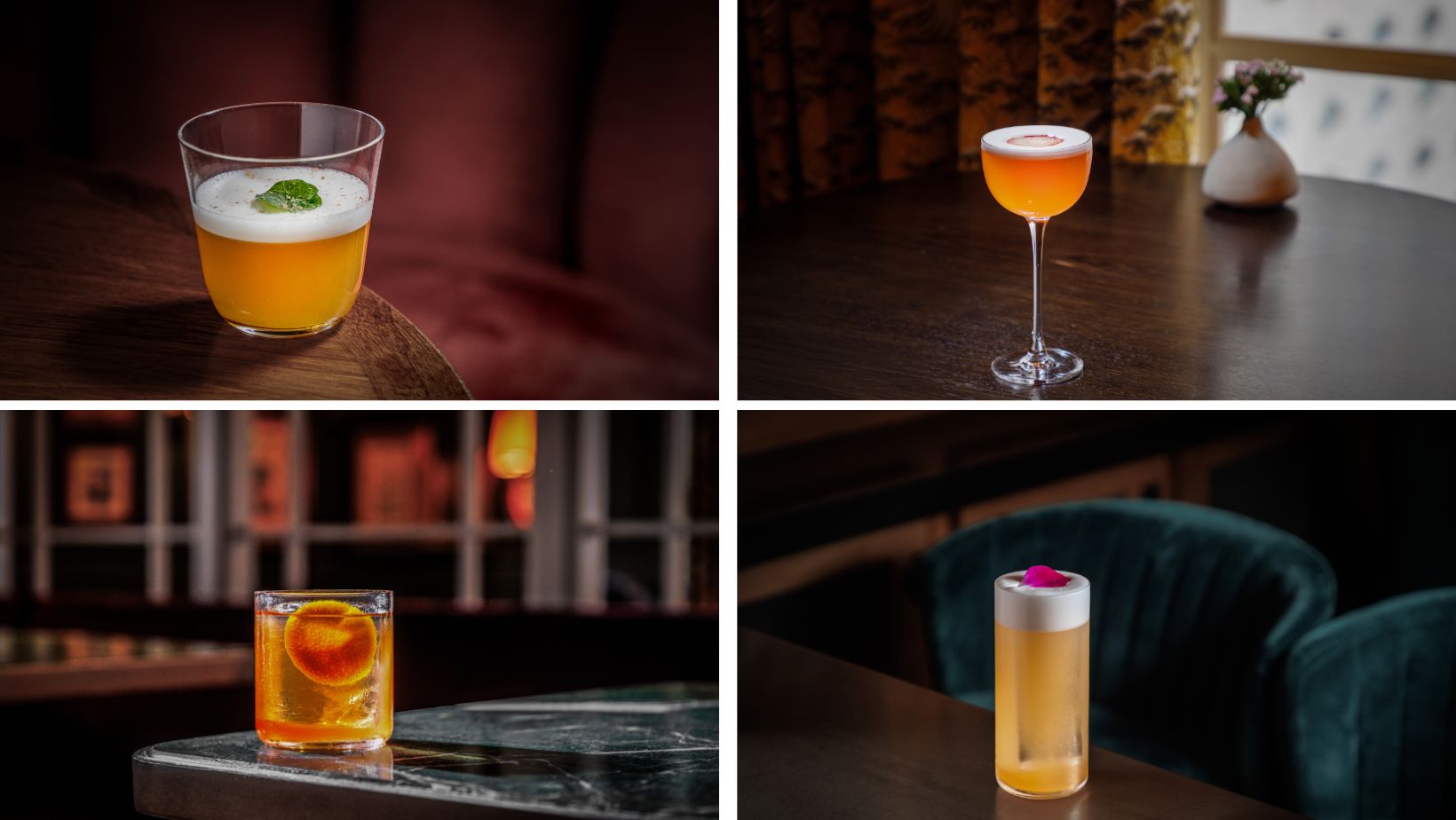
Hkclubbing: With the Glory Gimlet and Noble Man on the menu, how do you blend classic elements with modern twists? What’s your personal favorite cocktail from the new menu and why?
Devender: The Glory Gimlet is a modern take on a classic. The traditional Gimlet, which dates back to the 1920s as a remedy for scurvy, is the epitome of simplicity and balance. We’ve infused ours with bergamot and cardamom, pairing IMO Shochu with Nikka Gin. The addition of yuzu shu brings a unique twist, enhancing its familiar profile while staying true to the Kaizen spirit of continuous improvement.
The Noble Man is one of my favorites. It’s a reimagining of the Boulevardier, a classic Parisian cocktail, but with subtle updates that elevate the drink. We replaced the vermouth with dessert wine, which adds a new layer of depth without overwhelming the palate. It’s spirit-forward but softer and more approachable, which is something I personally enjoy. This cocktail is particularly special because it allowed us to experiment with dessert wine—something we hadn’t explored in our cocktails at The Aubrey before.
Another favorite of mine is the Akemi. Recently, I’ve been gravitating toward more savory drinks, and the Akemi strikes a perfect balance between savory, sweet, and sour. It highlights tequila alongside an unexpected combination of tomato water and strawberry. Initially, it might seem odd—mixing a “vegetable” with a fruit—but in reality, both are fruits, and they work incredibly well together. The Akemi is definitely one of my go-to drinks from the new menu.
Hkclubbing: “In Between the Line” is a fresh take on one of your previous creations. What drove you to revisit this cocktail, and how has it evolved since its original version?
Devender: In Between the Line is an evolution of my cocktail The Optimist, which itself is a twist on the classic Penicillin. If you look at the history of cocktails, they’re always evolving. Take, for example, the Milano Torino, which transformed into the Americano with the addition of soda water. Later, the Negroni emerged when gin replaced the soda, and eventually, the Negroni Sbagliato was born by swapping gin for Prosecco. Cocktails naturally evolve over time, following a tradition of innovation.
With that in mind—and inspired by the philosophy of continuous improvement—I thought, why not revisit one of our own signatures? We often see bartenders reinvent the classics, but it’s rare to bring back and refine our own creations. I didn’t want to dismiss The Optimist as just an old drink. Instead, we decided to give it a fresh spin, keeping some of the original ingredients like ginger and honey, while adding new layers of flavor.
For example, we introduced habanero chili for a subtle heat, swapped the original rum for gin, and added sweet potato shochu, aged in Kagoshima, for even more depth. By doing so, we’ve created a more nuanced and complex version of the original, while still honoring its roots.
Even though it’s been almost a decade since The Optimist was first crafted, many people have never tried it. With a bit of refinement, we’ve reintroduced it, and I’m thrilled to say that In Between the Line is now one of our best-selling cocktails at The Aubrey.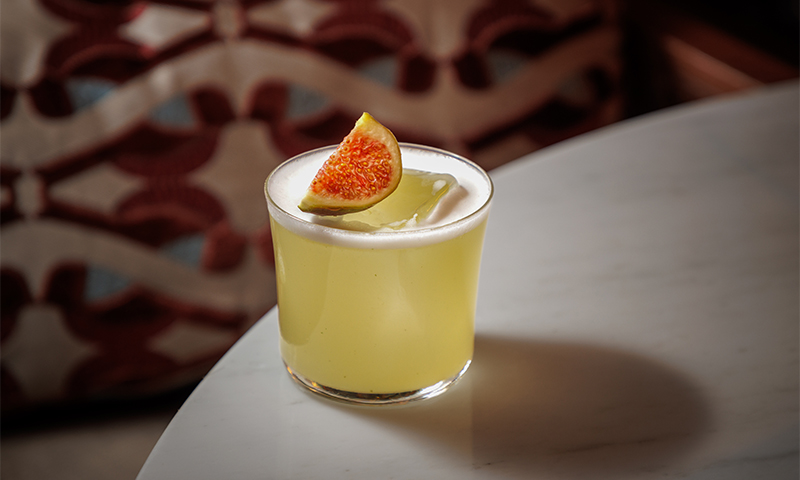
Hkclubbing: Is there a particular ingredient or technique in the Kaizen Cocktail Menu that you think will resonate with guests and surprise them?
Devender: One of the most exciting aspects of the Kaizen Cocktail Menu is the use of Shochu, particularly the high-end varieties that are aged in Mizunara oak or American casks. Traditionally, Shochu might be seen as a simple, everyday spirit in Japan, but the Shochu we’re using is on a completely different level. These premium Shochus are crafted with the same attention to detail you’d find in whisky production, and the aging process in these rare and expensive casks gives them extraordinary depth and complexity.
I think this will surprise many guests, especially those who are unfamiliar with Shochu or who might have preconceived notions about it. This isn’t the kind of Shochu you’d pick up for 1USD in Japan—it’s a refined, artisanal product that deserves to be appreciated, and I believe our guests will be intrigued and impressed by the layers of flavor it brings to our cocktails.
Hkclubbing: After shaking up cocktails all night, where do you like to kick back? Any favorite nightlife spots in Hong Kong that inspire you and your craft?
Devender: I think one of the places that I like to go is Goken, which is a Japanese bar just opened. That place is very nice. Same with the Savory Project.
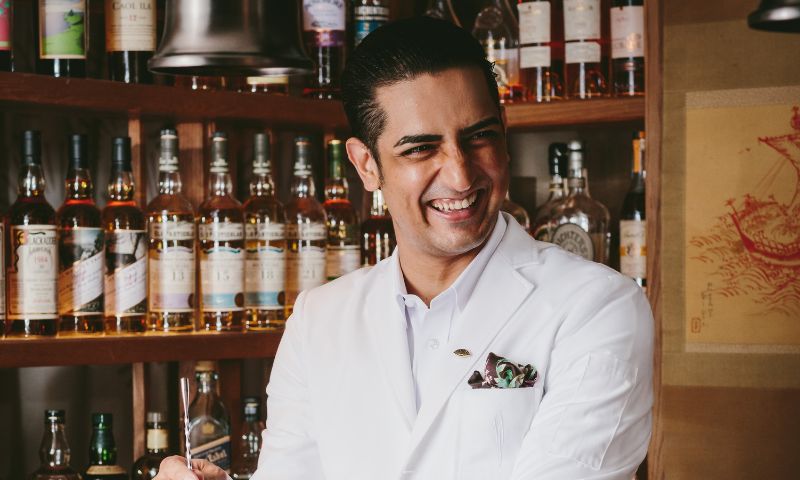
Hkclubbing: When guests enjoy a cocktail from the new menu, what kind of feelings or experiences do you hope they take away? What do you want them to remember about The Aubrey?
Devender: At The Aubrey, we strive to create a sense of belonging for our guests. We want people to feel like they’re exploring something new, something they might not have experienced before. Even though crafting cocktails is an intricate and detailed process, we hope our guests can appreciate the thought and care that goes into every drink.
My ultimate goal is for at least one guest each day to walk away with a deeper understanding of what we do—whether that’s our Shochu program or the unique Japanese ingredients we work with. If just one person leaves with a newfound appreciation for Japanese Shochu or our approach to cocktail making, then I feel like we’ve succeeded. It’s about building that connection, one guest at a time, and helping them see the passion behind what we do.
Hkclubbing: As Hong Kong's nightlife continues to evolve, where do you see The Aubrey's cocktail culture heading? Are there any trends you're particularly excited about in the coming years?
Devender: I believe The Aubrey is heading in a promising direction by focusing on something that hasn’t been fully explored in Hong Kong—specifically, our dedication to Japanese spirits and ingredients. We’re pioneering a very specific style of cocktail craft, and I’m excited to see how that continues to evolve.
When it comes to broader trends, I see two key directions. First, I think we’ll see cocktails becoming simpler in execution, with a stronger focus on high-quality ingredients. People want to know the origins of what they’re drinking, and the use of premium ingredients will become more important. But at the same time, the process will become more streamlined, allowing bartenders to spend less time on preparation and more time engaging with guests.
The second trend is about differentiation. With so much knowledge and access to great ingredients today, nearly everyone is making good cocktails. The challenge moving forward will be how to stand out. I believe the key will be in the quality of the ingredients and the clarity with which they are expressed. For example, if you’re serving a dish with white truffles, the truffle flavor should be immediately apparent and perfectly integrated with the other components. It’s about simplicity, but with an emphasis on showcasing the best possible product—much like the Japanese approach to food and drink, where nothing is overcomplicated, but everything is crafted to let the ingredients shine.
(Photo Source: PR Company)
